White miso (shiro miso) is a fermented paste made from soybeans, rice koji (Aspergillus oryzae), and salt. The fermentation period for white miso is shorter than red or dark varieties — typically 3-6 months versus 1-3 years. This produces a milder, sweeter paste that works in glazes, dressings, marinades, and cream sauces without overwhelming other flavors.
On this site, miso appears in 21 recipes. It is the most-used fermented ingredient in the Cast in Iron kitchen, functioning as both a flavor base and a delivery mechanism for probiotics and trace minerals.
Nutrition per Serving
A standard serving of white miso paste is 1 tablespoon (approximately 17 grams). That delivers:
- Manganese: 0.4 mg (17% DV) — critical for bone formation and antioxidant defense via superoxide dismutase
- Zinc: 0.6 mg (5% DV)
- Copper: 0.1 mg (11% DV)
- Vitamin K: 5 mcg (4% DV)
- Sodium: 630 mg — significant, which is why miso replaces added salt rather than supplementing it
- Protein: 2 g
- Calories: 33
- Live cultures: Aspergillus oryzae, Tetragenococcus halophilus, and various Lactobacillus strains (in unpasteurized varieties)
The probiotic content is miso’s distinguishing feature. Unpasteurized white miso contains live cultures that survive in the gut. Research on fermented soy products has consistently linked regular consumption to improved markers of gut health and immune function. The key is using miso in applications where it is not exposed to sustained high heat — stirred into warm (not boiling) broths, blended into cold sauces, or added to glazes at the end of cooking.
Why Miso Matters for CRON
The CRON framework values ingredients that serve multiple functions simultaneously. Miso works on three levels: flavor (deep umami that reduces the need for added fat or sugar), nutrition (manganese, zinc, copper), and gut health (live probiotic cultures).
Manganese is under-discussed relative to its importance. It is a required cofactor for superoxide dismutase (SOD), one of the body’s primary endogenous antioxidant enzymes. Most adults consume less than the adequate intake. A tablespoon of miso across two daily meals closes that gap without adding significant calories.
The sodium content is real and should be tracked. But in practice, miso replaces salt in every recipe where it appears. The net sodium impact is neutral or lower than the alternative, with the added benefit of manganese, zinc, and live cultures that salt alone does not provide.
For the full context on where miso fits the Walford ingredient framework, see the Walford Ingredient Legend.
How to Use Miso
Miso dissolves readily into warm liquids and blends smoothly into sauces. The one rule: do not boil it. Sustained heat above 115F (46C) kills the probiotic cultures. Add miso at the end of cooking, or use it in cold preparations.
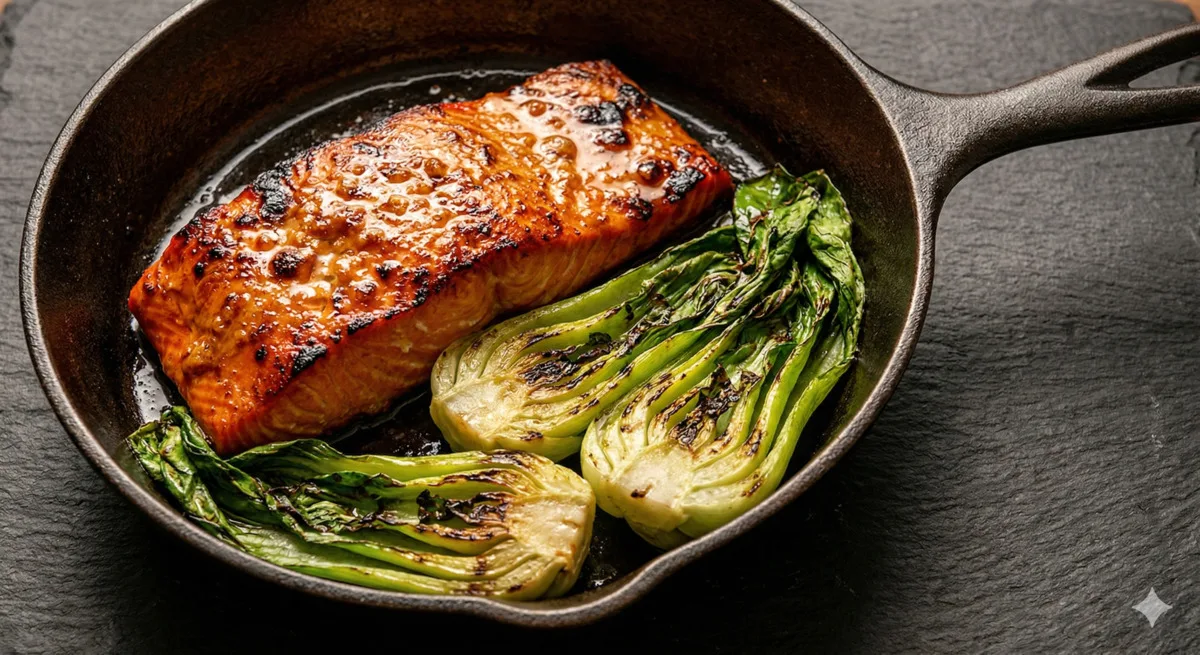
- Glazes: Whisk miso with a small amount of mirin or honey and brush onto chicken thighs, salmon, or turkey breast in the last 5 minutes of cooking. The surface caramelizes while the interior stays below the temperature that destroys cultures.
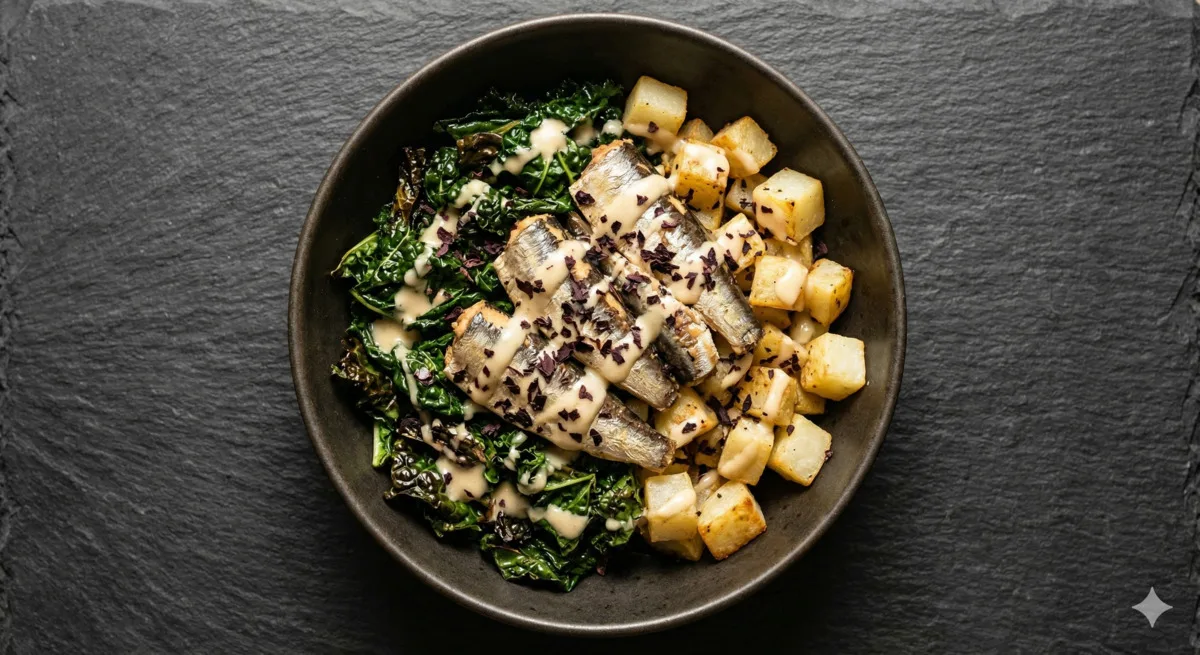
- Cream sauces: Blend miso into yogurt-based or tahini-based cremas. Adds salt, umami, and probiotics in one step.
- Dipping sauces: Combine with rice vinegar, sesame oil, and ginger for an all-purpose dip.
- Broths: Stir into warm (not boiling) dashi or bone broth. This is the traditional Japanese application.
- Marinades: Miso-based marinades tenderize protein while building flavor. Apply 2-4 hours before cooking.
Store miso in the refrigerator after opening. It keeps for 6-12 months. The paste may darken slightly over time — this is normal Maillard reaction activity and does not affect safety or nutrition.
Where to Buy
Hikari Organic White Miso Paste is the brand used across this site. Organic, unpasteurized (live cultures intact), and widely available. One container lasts 4-6 weeks of regular use. Also available at any Asian grocery store — look for refrigerated varieties rather than shelf-stable, as refrigerated versions are more likely to contain live cultures.
Recipes with Miso
- Miso-Herb Chicken Thighs
- Miso Lemon-Herb Chicken Thighs
- Miso-Glazed Salmon with Bok Choy
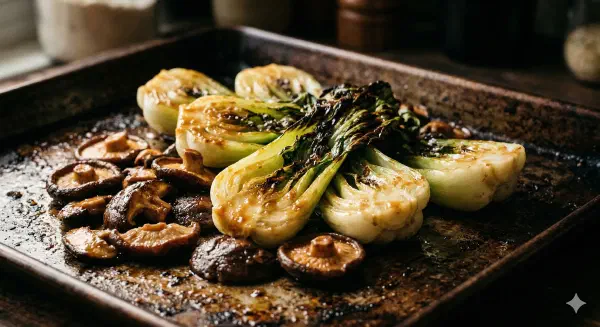
- Miso-Glazed Bok Choy and Shiitake
- Miso-Glazed Green Beans and Broccoli
- Yuzu-Miso Turkey Breast
- Sardine Kale Bowl with Miso-Lemon Dressing
- Ponzu Miso Cream
- Chipotle Lime Miso Crema
- Carrot Miso Dipping Sauce
- Wakame Miso Cream
See the full CRON Pantry for all Walford ingredients.
New and seasonal recipes, and what's working. Once a month. No ads, no fluff.